

Data-Driven Decision Making: Analytics for Business Growth
Every interaction, transaction, and engagement your business has generates data—but data alone isn't valuable. The companies pulling ahead are those that can transform raw data into actionable insights, enabling faster and more accurate decision-making at every level of the organization. Data-driven companies are 23 times more likely to acquire customers, 6 times more likely to retain them, and 19 times more likely to be profitable.
This comprehensive guide covers the fundamentals of building a data-driven organization, from establishing data collection and governance practices to implementing business intelligence tools and advanced analytics. We'll explore different analytics maturity levels—descriptive, diagnostic, predictive, and prescriptive—and help you identify where to focus your efforts for maximum impact. Whether you're just starting your analytics journey or looking to level up existing capabilities, these strategies will help you unlock the value hidden in your data.
Without data, you're just another person with an opinion. With data, you're a leader with insights.
W. Edwards Deming
Key Takeaways
Understanding these core principles will help you apply these concepts effectively in your own projects and organization.
- Data collection and governance
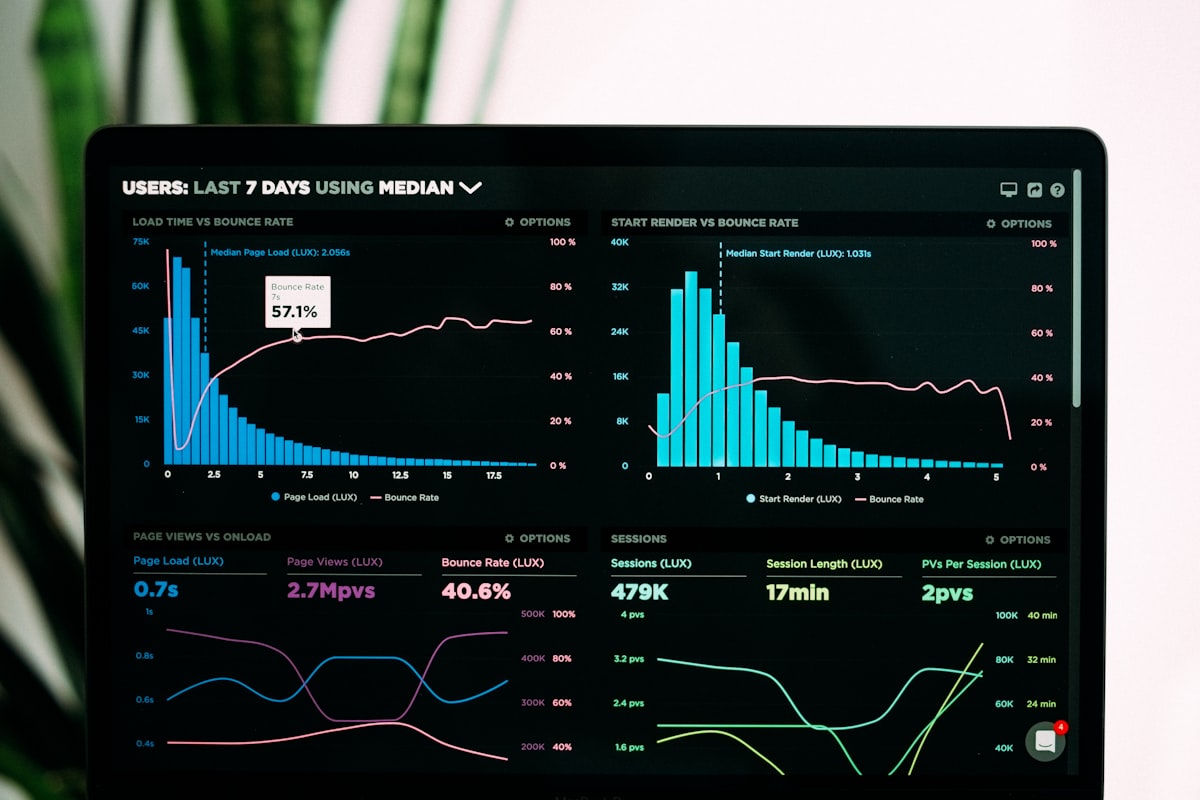
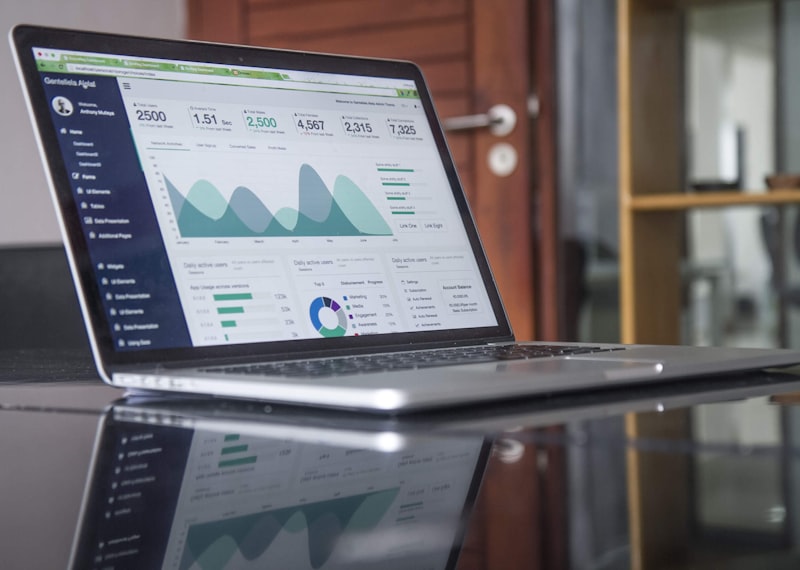
- Real-time dashboards and reporting
- Predictive analytics models
- Customer segmentation analysis
- A/B testing frameworks
- Data visualization best practices
- Building a data-driven culture
Conclusion
Data-driven decision making is not about replacing human judgment—it's about augmenting it with evidence and insights. The best decisions combine analytical rigor with business intuition.
Start with the business questions that matter most, then work backward to identify the data and analytics capabilities you need. Focus on impact, not just data collection.
Let’s Build Future Together.