

Mobile-First Design: Creating Apps Users Actually Love
Mobile devices now account for over 60% of global web traffic, and users spend an average of 4+ hours daily on their smartphones. Yet many businesses still treat mobile as an afterthought, creating desktop experiences and cramming them onto smaller screens. The result? Frustrated users, high bounce rates, and missed opportunities. The most successful digital products are designed mobile-first, starting with the constraints and opportunities of handheld devices before scaling up to larger screens.
In this guide, we cover the principles of effective mobile-first design, including thumb-friendly navigation, performance optimization for cellular networks, and designing for interrupted usage patterns. We'll explore platform-specific considerations for iOS and Android, discuss when to build native vs. cross-platform, and share UX patterns that drive engagement and retention. Whether you're building a consumer app or an enterprise tool, these insights will help you create mobile experiences that users genuinely enjoy.
Mobile is not the future, it is the now. Meet your customers in the environment of their choice, not yours.
Cindy Krum
Key Takeaways
Understanding these core principles will help you apply these concepts effectively in your own projects and organization.
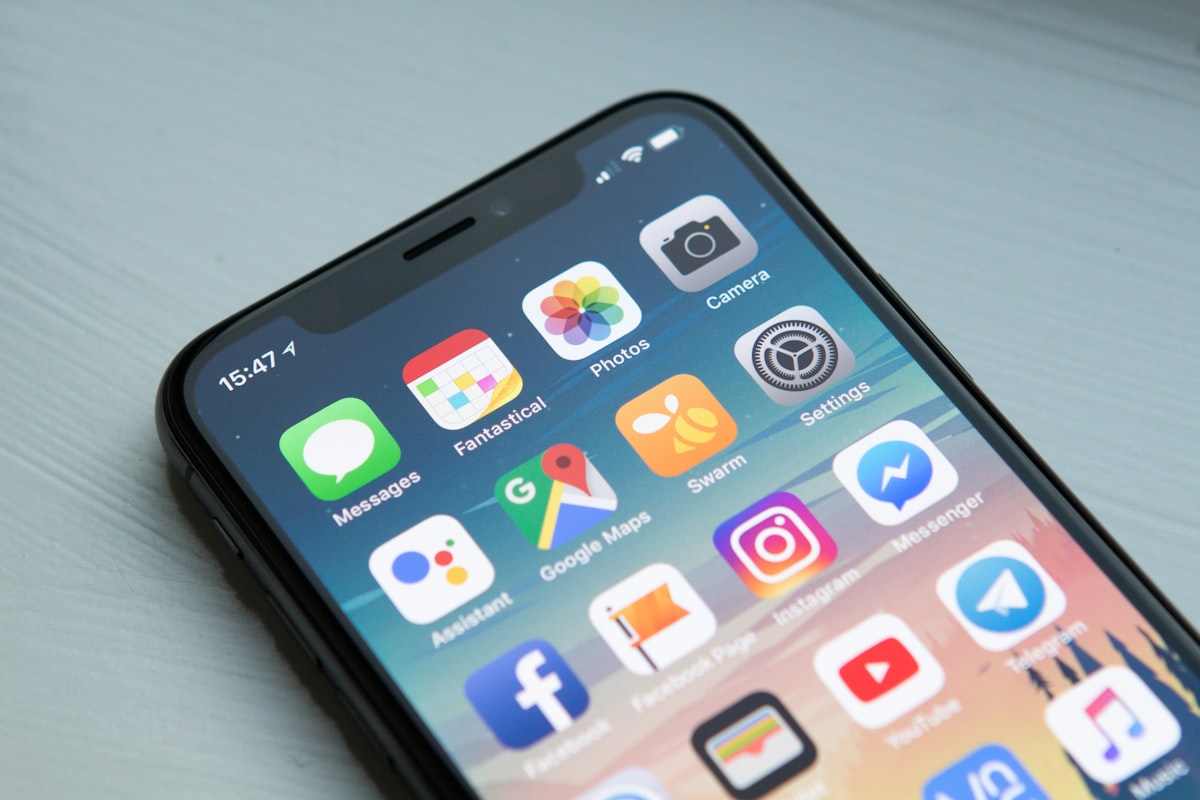
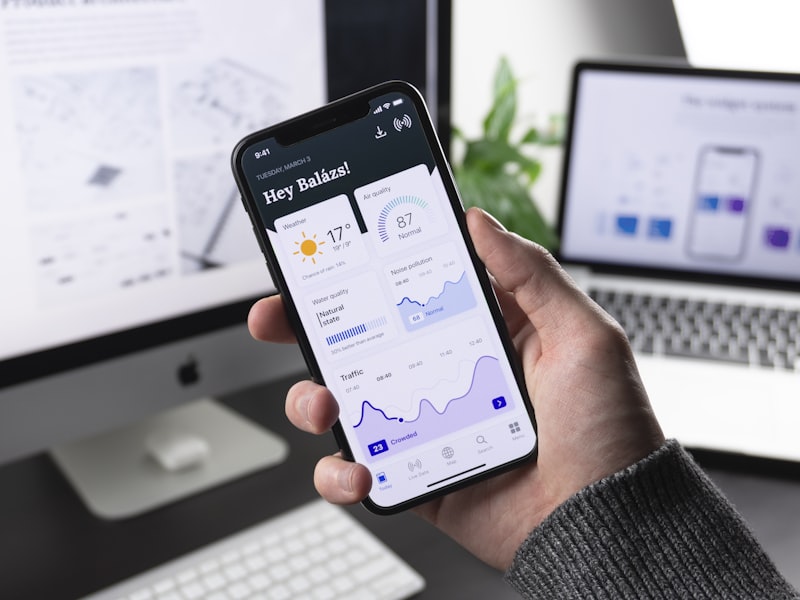
- Thumb-friendly navigation zones
- Performance optimization techniques
- Gesture-based interactions
- Offline-first capabilities
- Push notification strategy
- Platform-specific design patterns
- Accessibility on mobile devices
Conclusion
Mobile-first design isn't about shrinking your desktop site—it's about rethinking the entire user experience for the device that's always in your customer's pocket. The constraints of mobile force clarity and focus.
By embracing mobile-first principles, you'll create experiences that work beautifully on all devices while meeting users where they spend most of their digital time.
Let’s Build Future Together.